
Connecticut's Local Solar Company
Solar built around your Connecticut home, your energy use and your long term goals.
Solara Solar helps Connecticut homeowners understand solar, battery storage, ownership and third party options with realistic system design, straightforward information and a local team from consultation through installation and beyond.




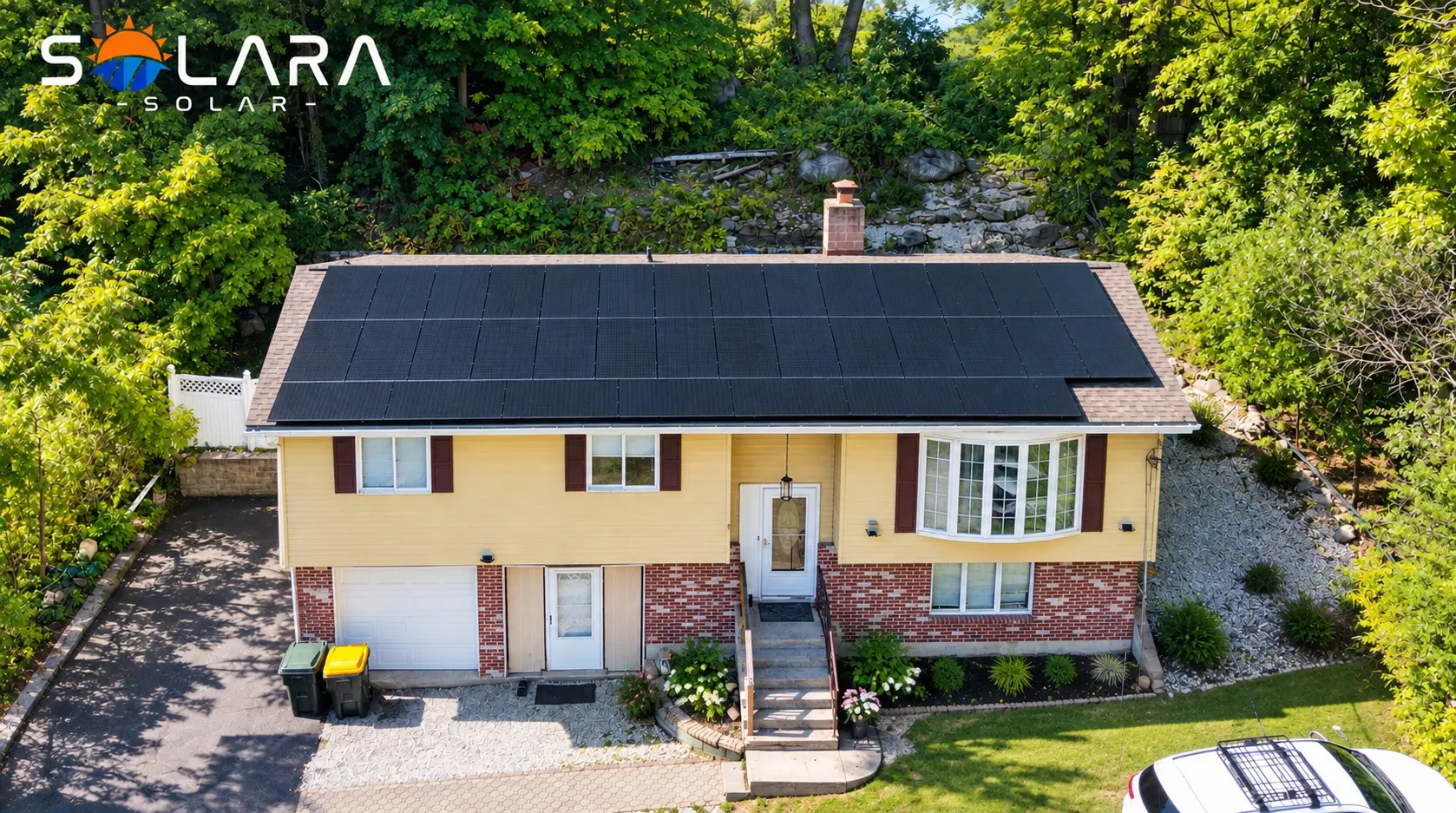 ACTUAL SOLARA SOLAR INSTALL | DANBURY, CT
Connecticut solar has its own set of considerations.
Going solar in Connecticut involves more than putting panels on a roof. Utility territory, interconnection, permitting, available sunlight, roof conditions, electricity usage and the way you choose to pay for the system can all influence the final project.
That is why comparing Connecticut solar companies should involve more than comparing panel counts and monthly payments.
A true custom design starts with understanding the homeowner's goals. We then build the system around the property, expected production, future energy needs and the way the homeowner wants solar to fit into their home.
Your utility rate is one number you do not control.
Electric bills can move in both directions as supply, transmission, distribution and other regulated charges change. That volatility is one reason many Connecticut homeowners look at producing more of their electricity at home.
Connecticut homeowners have seen how quickly an electric bill can change.
Approximate increase to the average residential bill if the July 2026 Eversource distribution request were approved as filed.
Your property location determines which utility manages the distribution system and solar interconnection.
A properly designed solar system can produce electricity at your property rather than purchasing every kilowatt hour from the grid.
The panels are only one part of the project.
A residential solar project moves through design, engineering, municipal requirements, utility interconnection, installation, inspection and permission to operate.
Design and production
The system should reflect actual electricity usage, available roof area, roof orientation, shading, equipment specifications and realistic production expectations.
Engineering and permitting
Solar projects require engineering and local permitting. Requirements and scheduling can vary from one Connecticut municipality to another.
Eversource or UI interconnection
Your electric utility reviews the solar project for connection to the grid. The applicable requirements depend on the property, equipment and utility territory.
Inspection and permission to operate
After installation, the project moves through required inspections and utility approval before the system receives permission to operate.
Connecticut homes are different. Solar designs should be too.
Roof planes, architecture, surrounding trees, utility requirements and homeowner priorities vary substantially from one property to another. The system should be designed around the home rather than forcing the home into a predetermined layout.
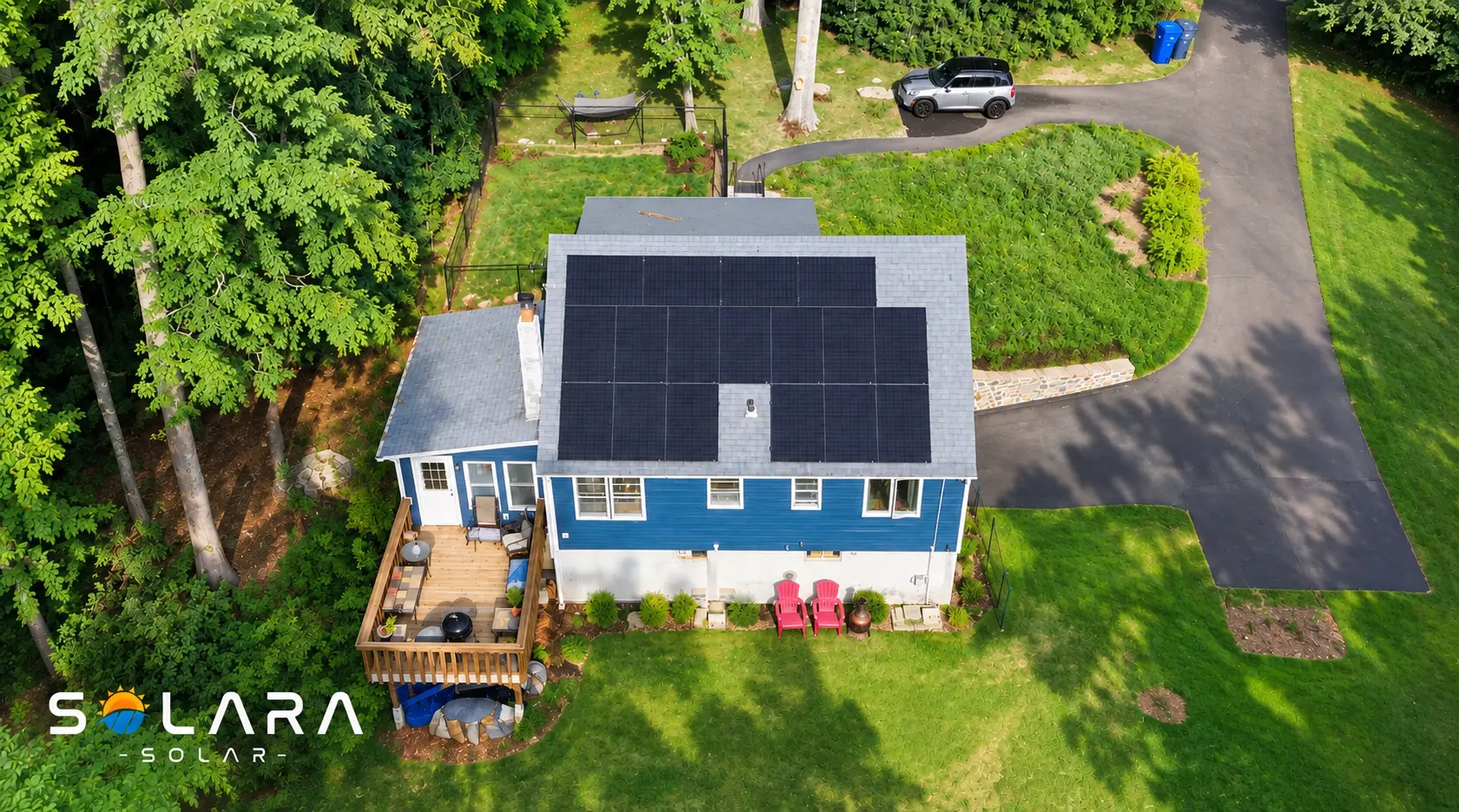 SOLARA SOLAR INSTALL | DANBURY, CT
 SOLARA SOLAR INSTALL | OXFORD, CT
 SOLARA SOLAR INSTALL | SANDY HOOK, CT
Solar starts with the property.
Not every roof should receive the same system. Understanding the property first creates a better design and more realistic expectations.
Electricity demand is expected to grow again.
For years, efficiency improvements and distributed solar helped hold down regional electricity consumption. New electrical loads are changing the conversation around what the grid may need to support in the future.
What about large data centers?
Large data centers have become part of the national electricity discussion because individual facilities can require enormous amounts of continuous power.
The Connecticut State Comptroller reported in late 2025 that no AI scale data center had yet connected to the New England electric grid. That means today's Connecticut electric rates should not simply be attributed to new AI data centers.
Regional planners are nevertheless preparing for electricity demand growth from transportation, heating and other large new electrical loads over the coming years.
Your home may use more electricity in the future.
The solar system that makes sense today should also consider what may change tomorrow. Electric vehicles, heat pumps and battery storage can materially change how a homeowner uses and manages electricity.
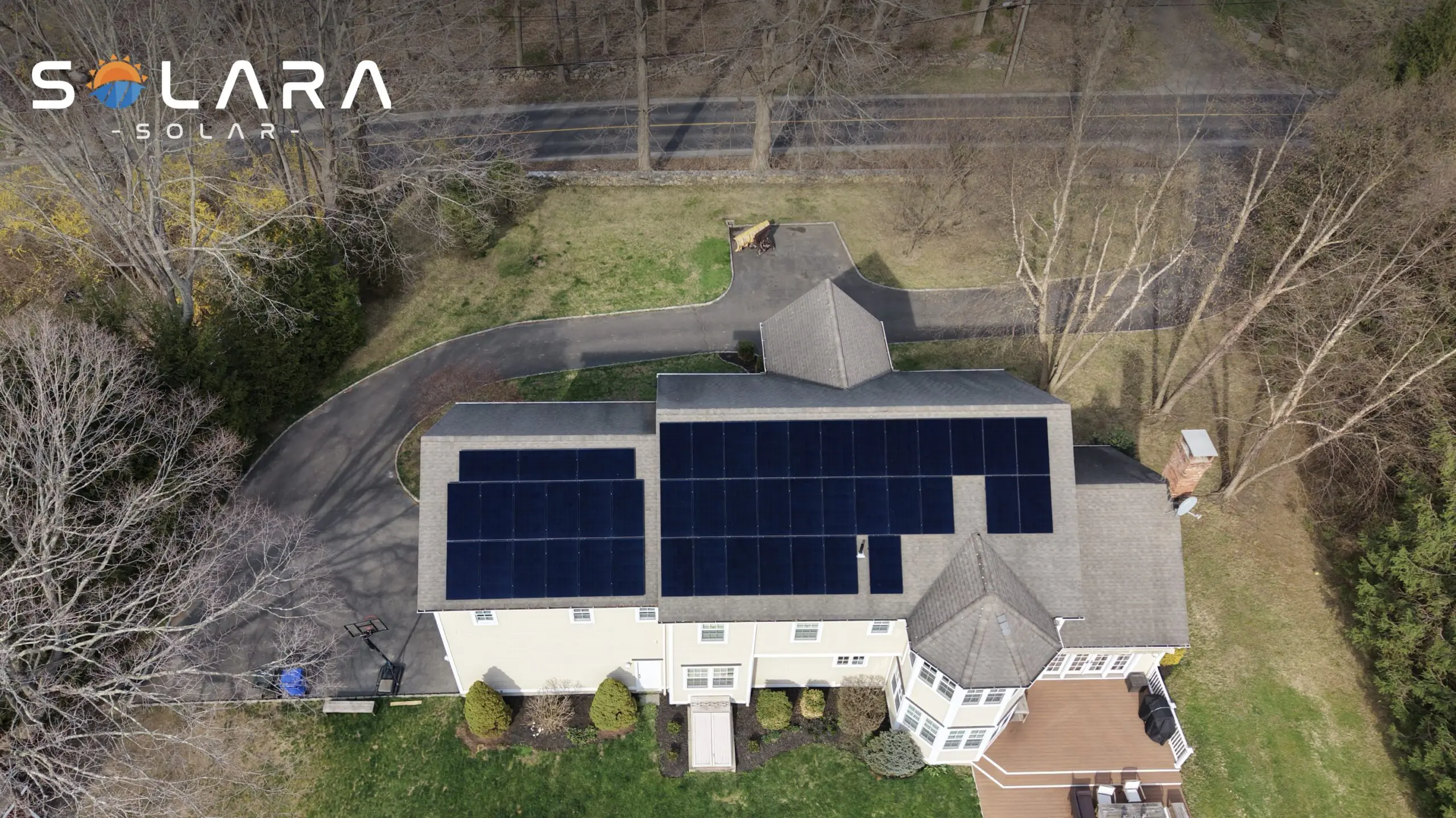 ACTUAL SOLARA SOLAR INSTALL | DANBURY, CT
Real homes. Real systems. Real Connecticut work.
Every installation shown here is an actual Solara Solar project. Different homes, different layouts and different homeowner goals.
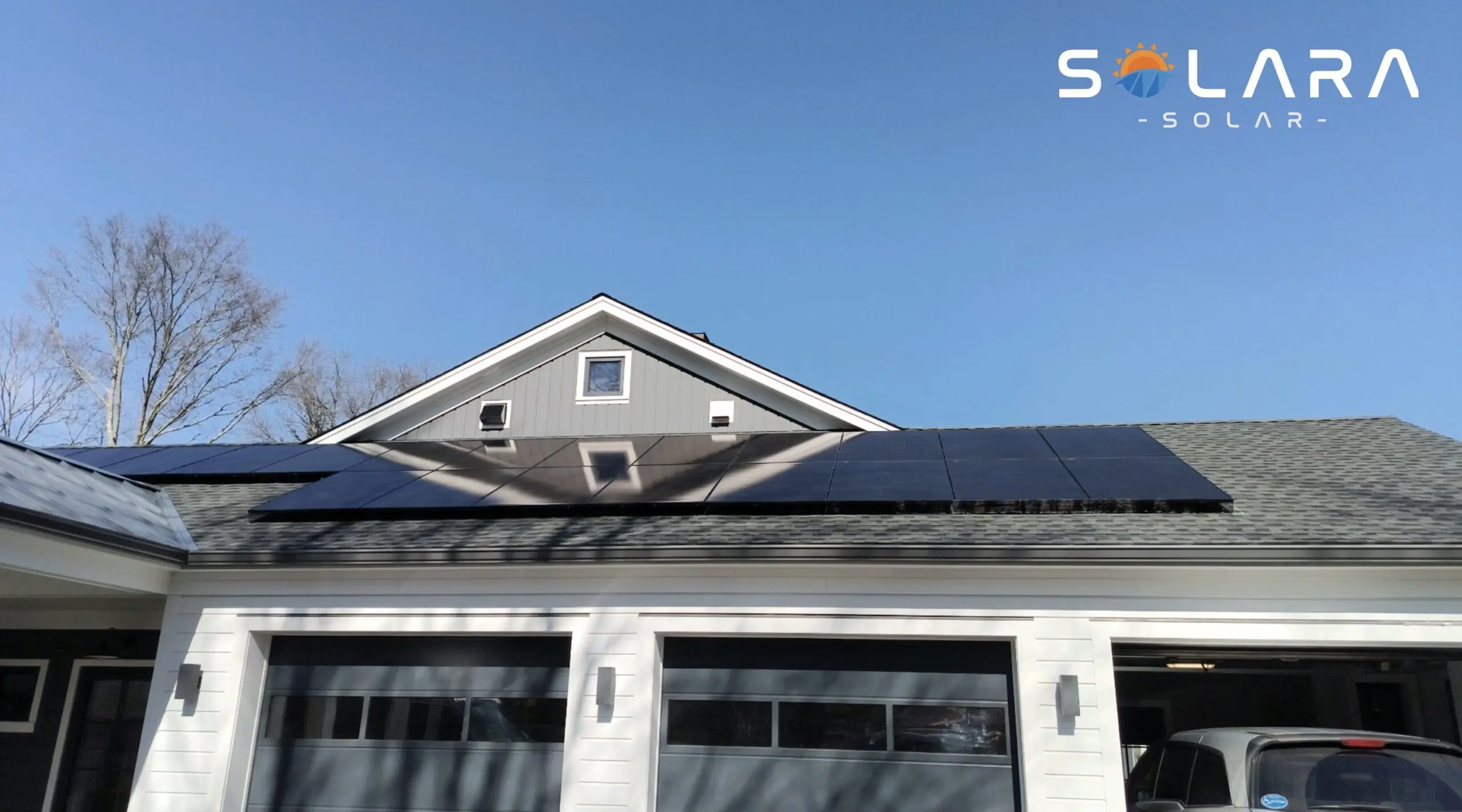 ACTUAL SOLARA SOLAR INSTALL | NORWALK, CT
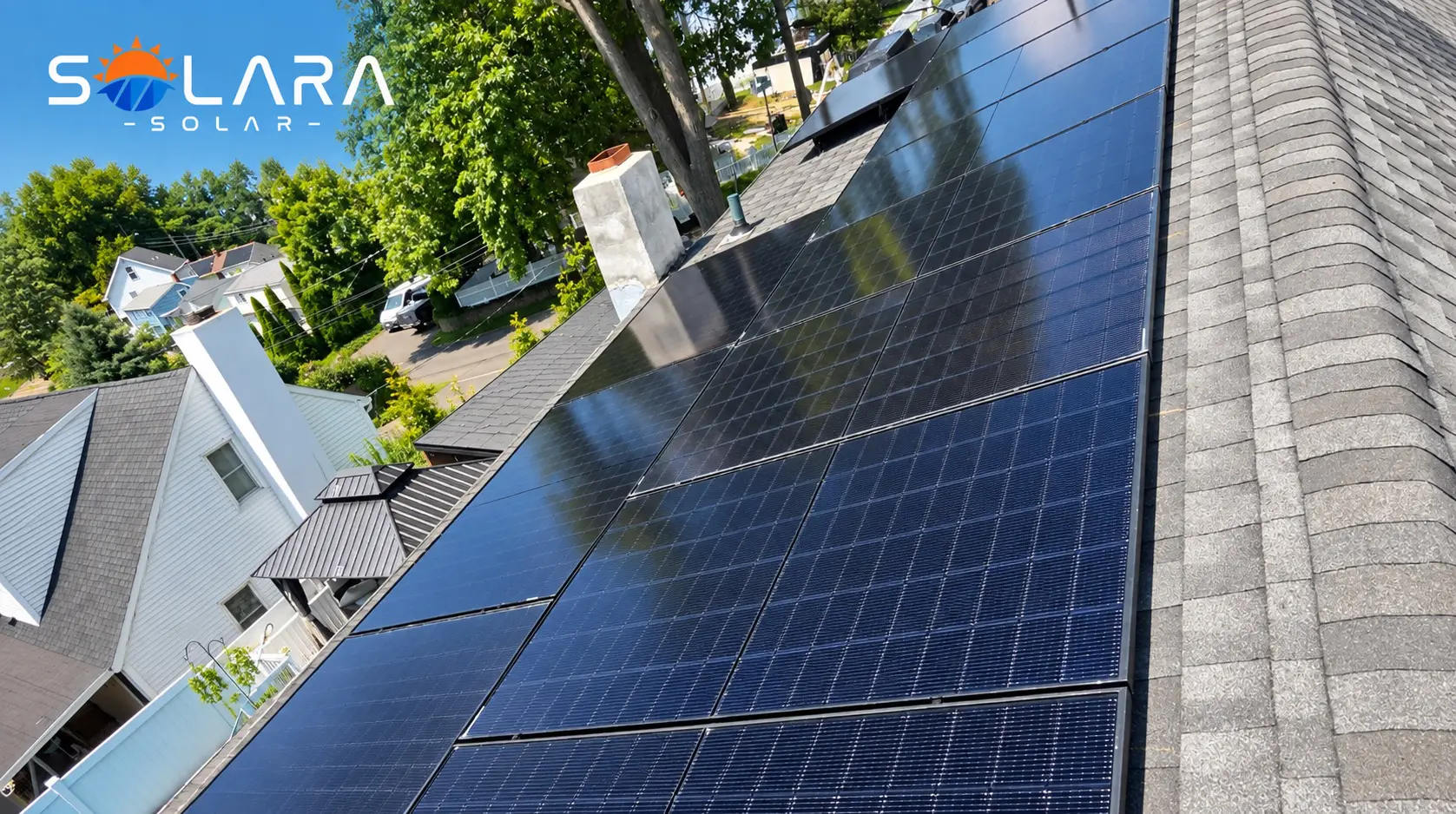 ACTUAL SOLARA SOLAR INSTALL | NORWALK, CT
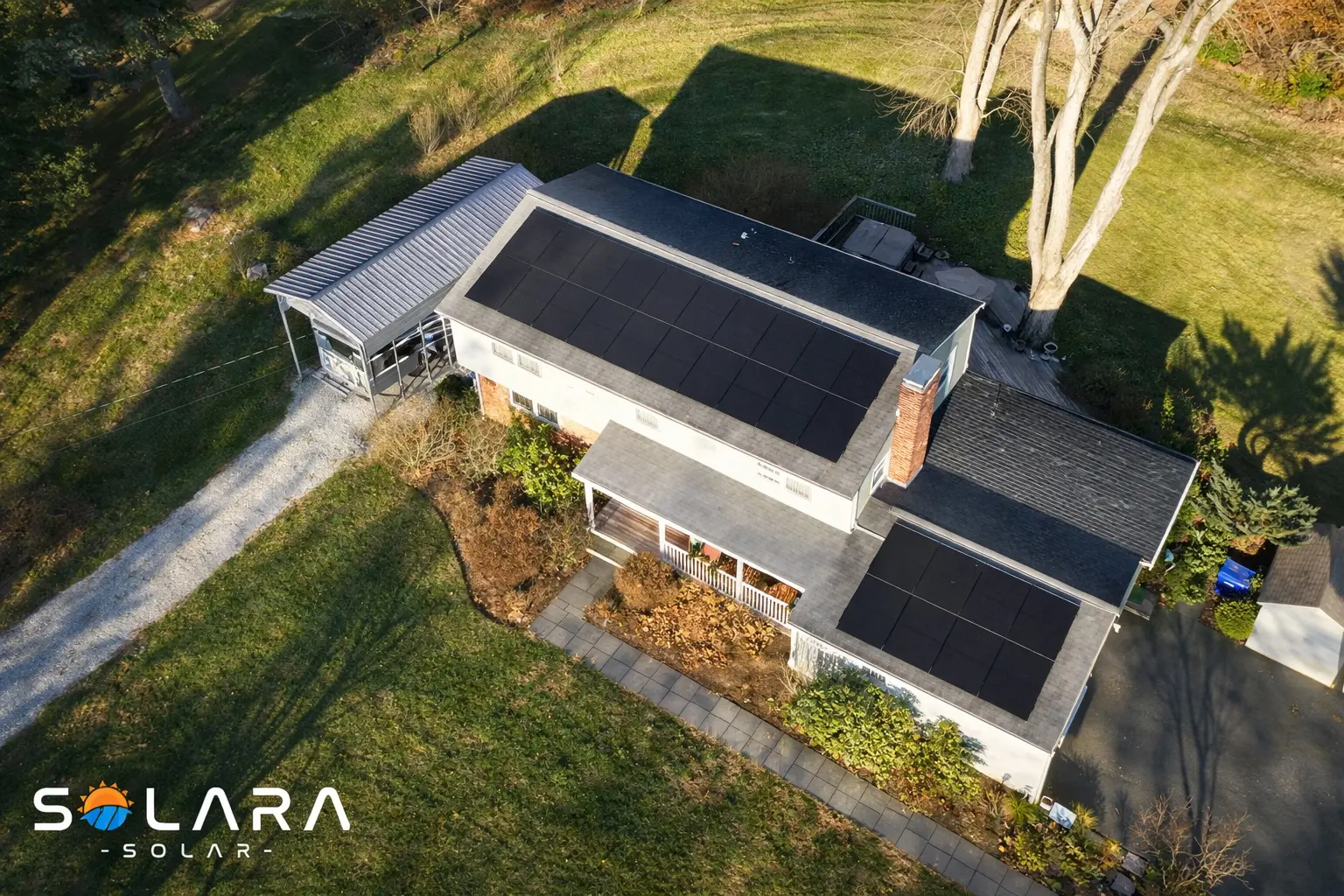 ACTUAL SOLARA SOLAR INSTALL | NEWTOWN, CT
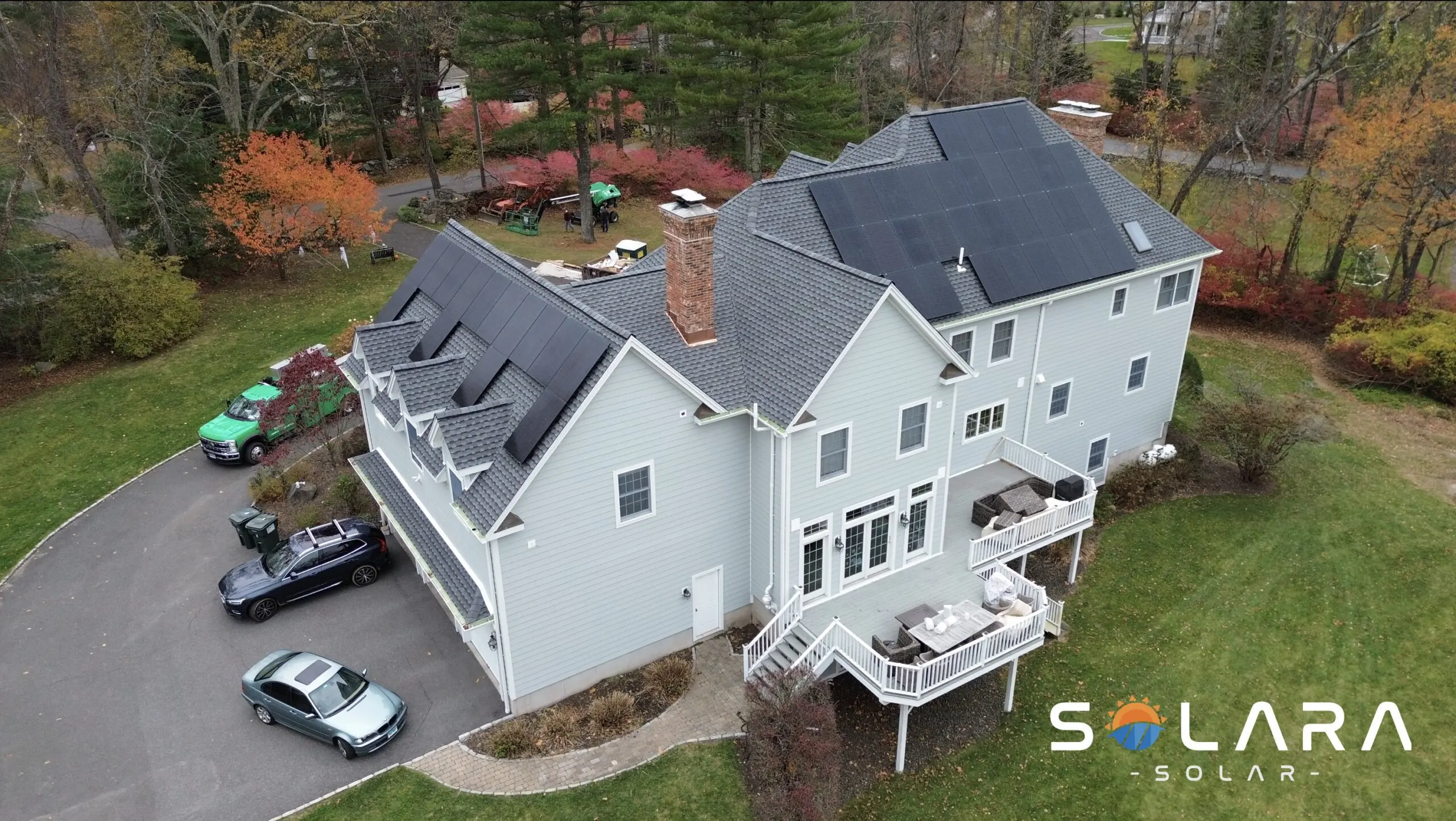 ACTUAL SOLARA SOLAR INSTALL | WILTON, CT
ACTUAL SOLARA SOLAR INSTALL | OXFORD, CT
ACTUAL SOLARA SOLAR INSTALL | WILTON, CT
ACTUAL SOLARA SOLAR INSTALL | OXFORD, CT
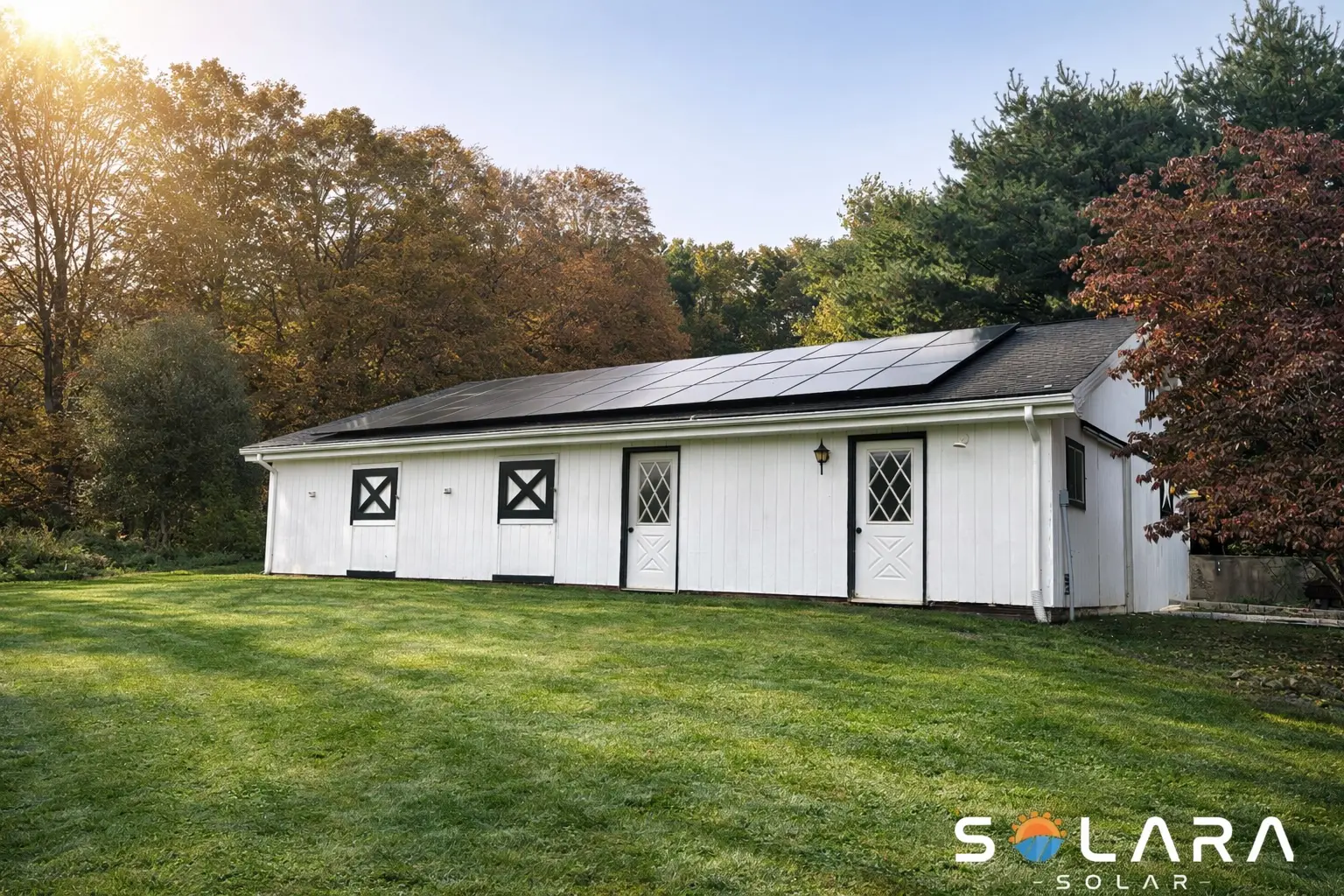 ACTUAL SOLARA SOLAR INSTALL | NEWTOWN, CT
ACTUAL SOLARA SOLAR INSTALL | DANBURY, CT
ACTUAL SOLARA SOLAR INSTALL | NEWTOWN, CT
ACTUAL SOLARA SOLAR INSTALL | DANBURY, CT
We live where we work. So does our reputation.
Our reputation is built one Connecticut homeowner and one installation at a time. Read what homeowners say about working with Solara Solar.
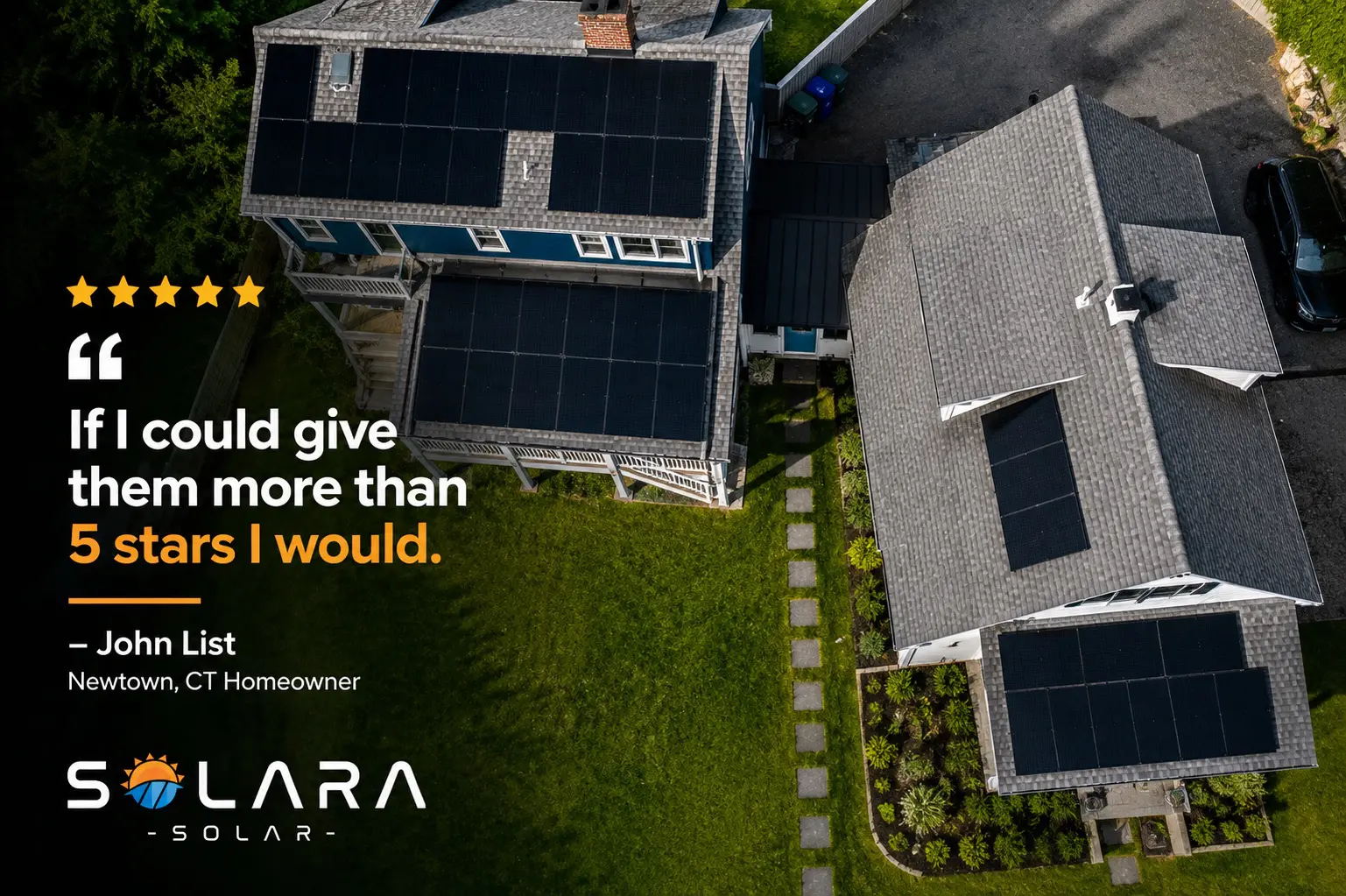
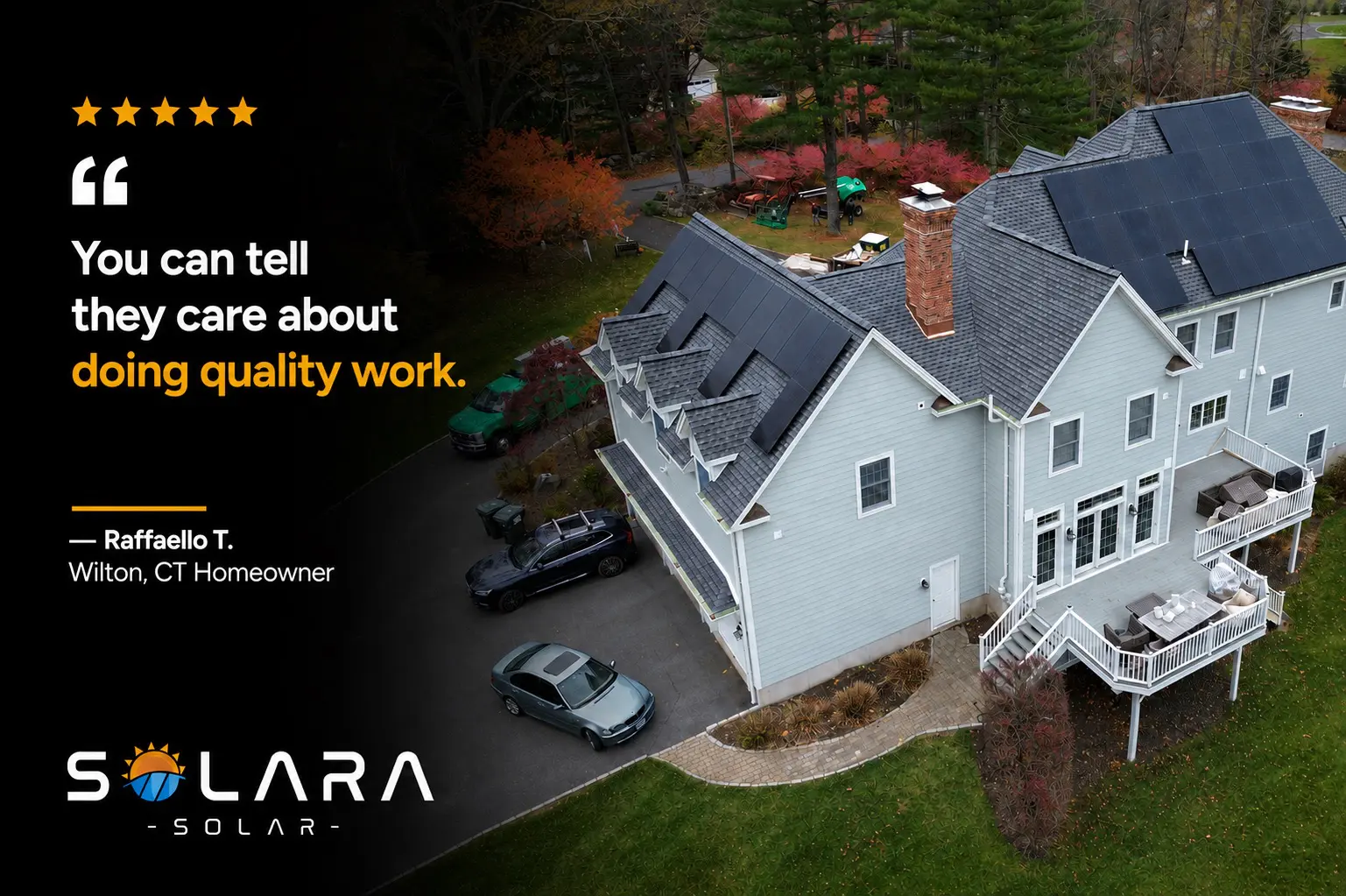
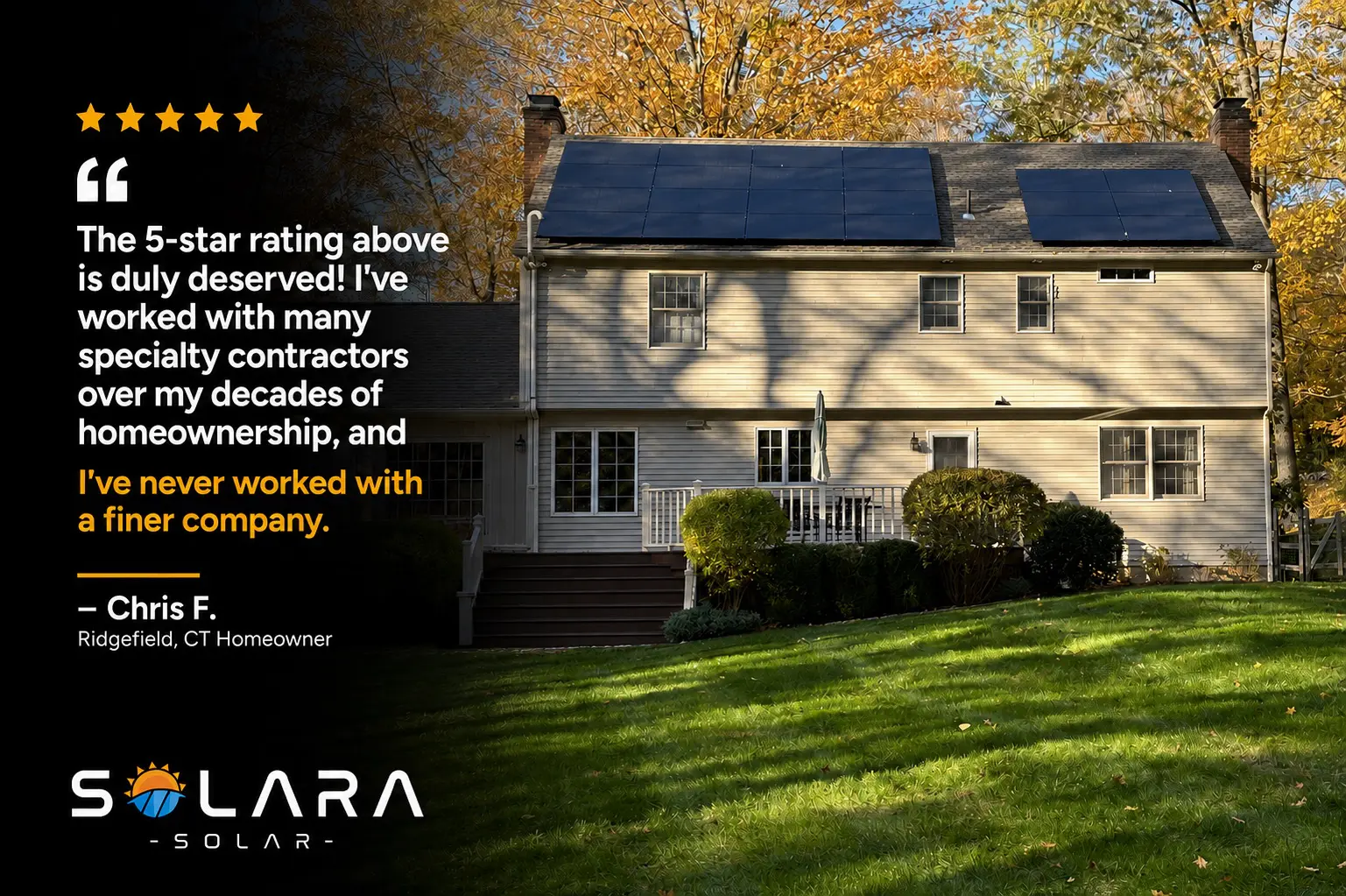
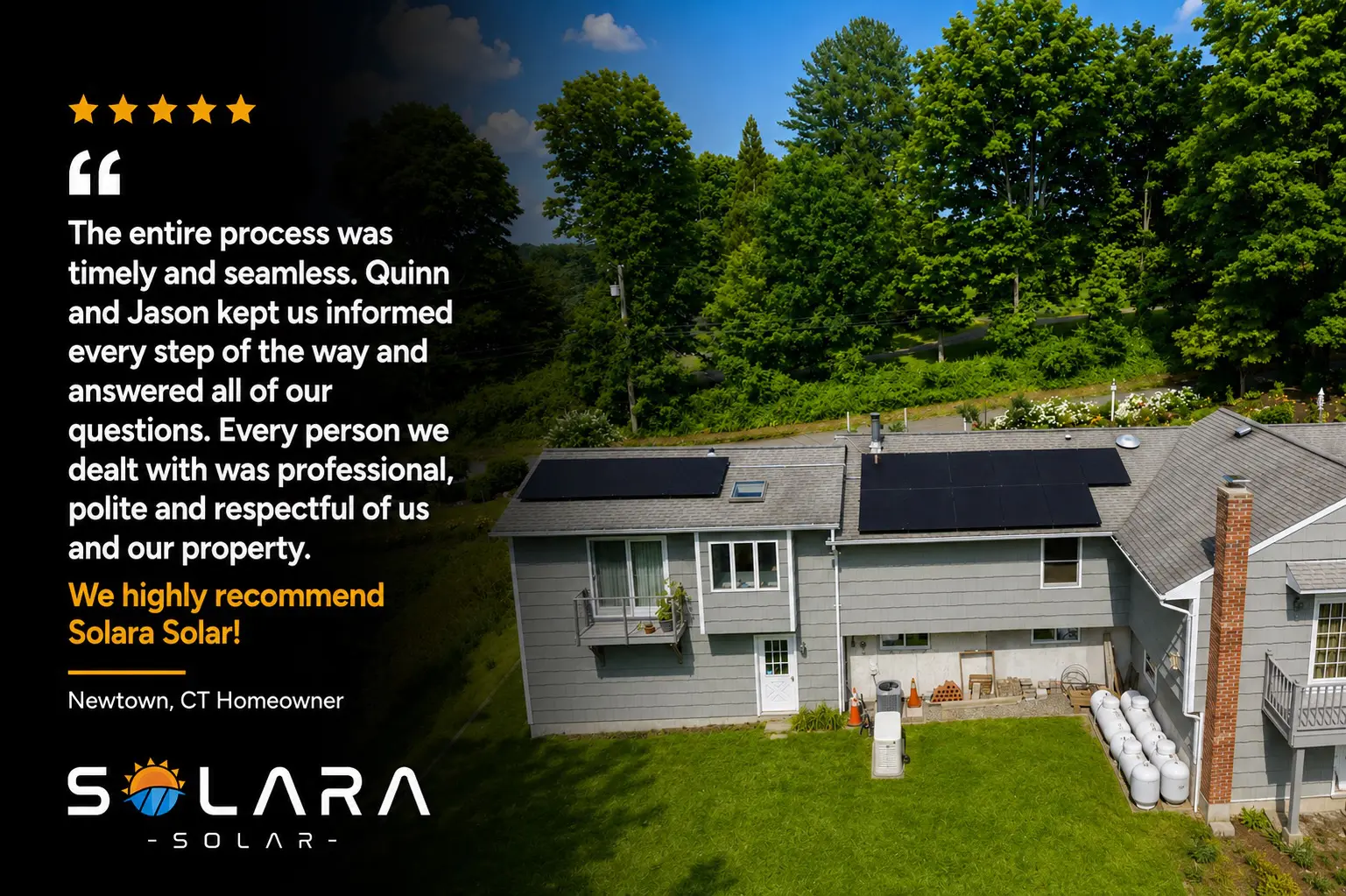
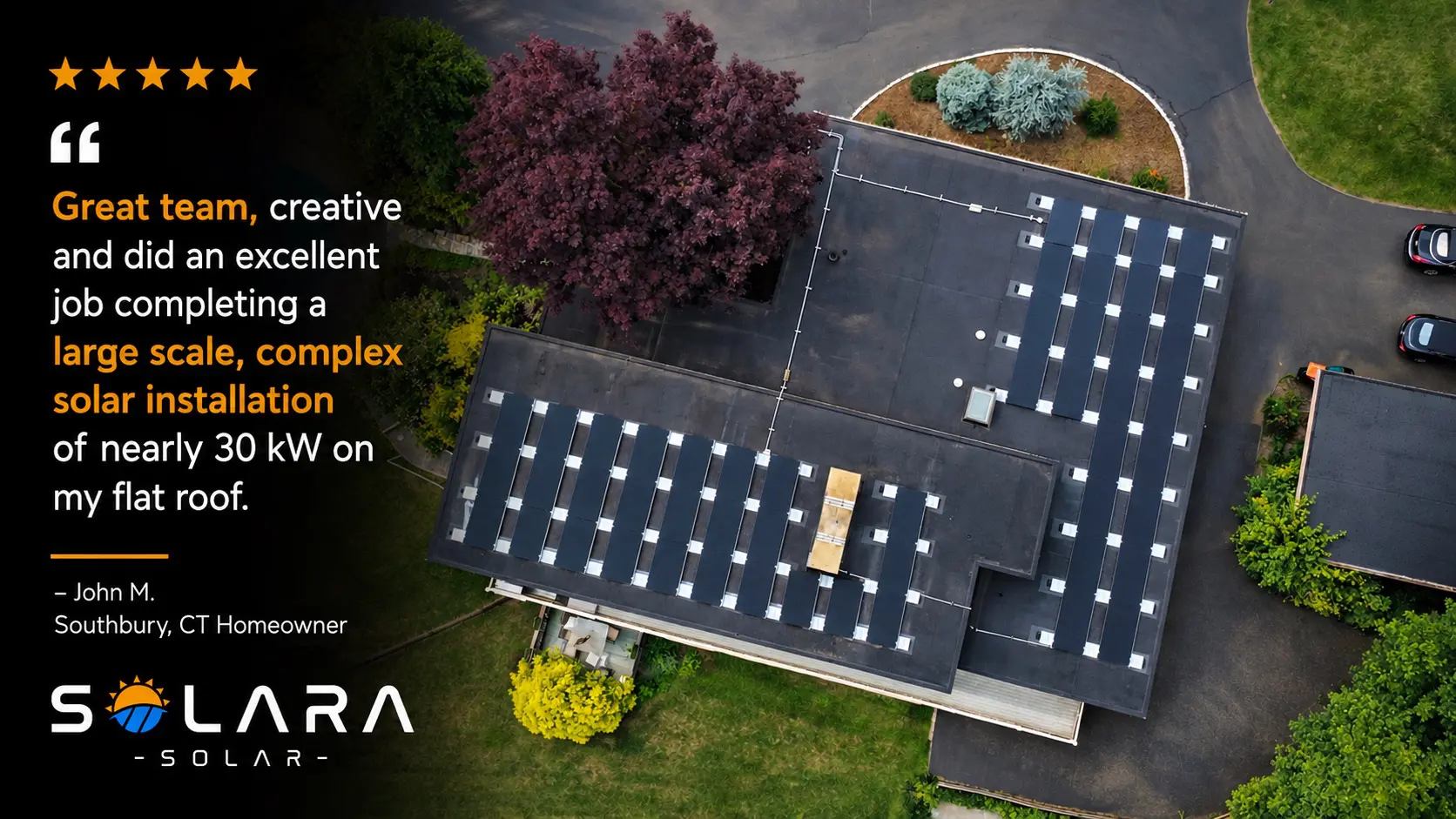
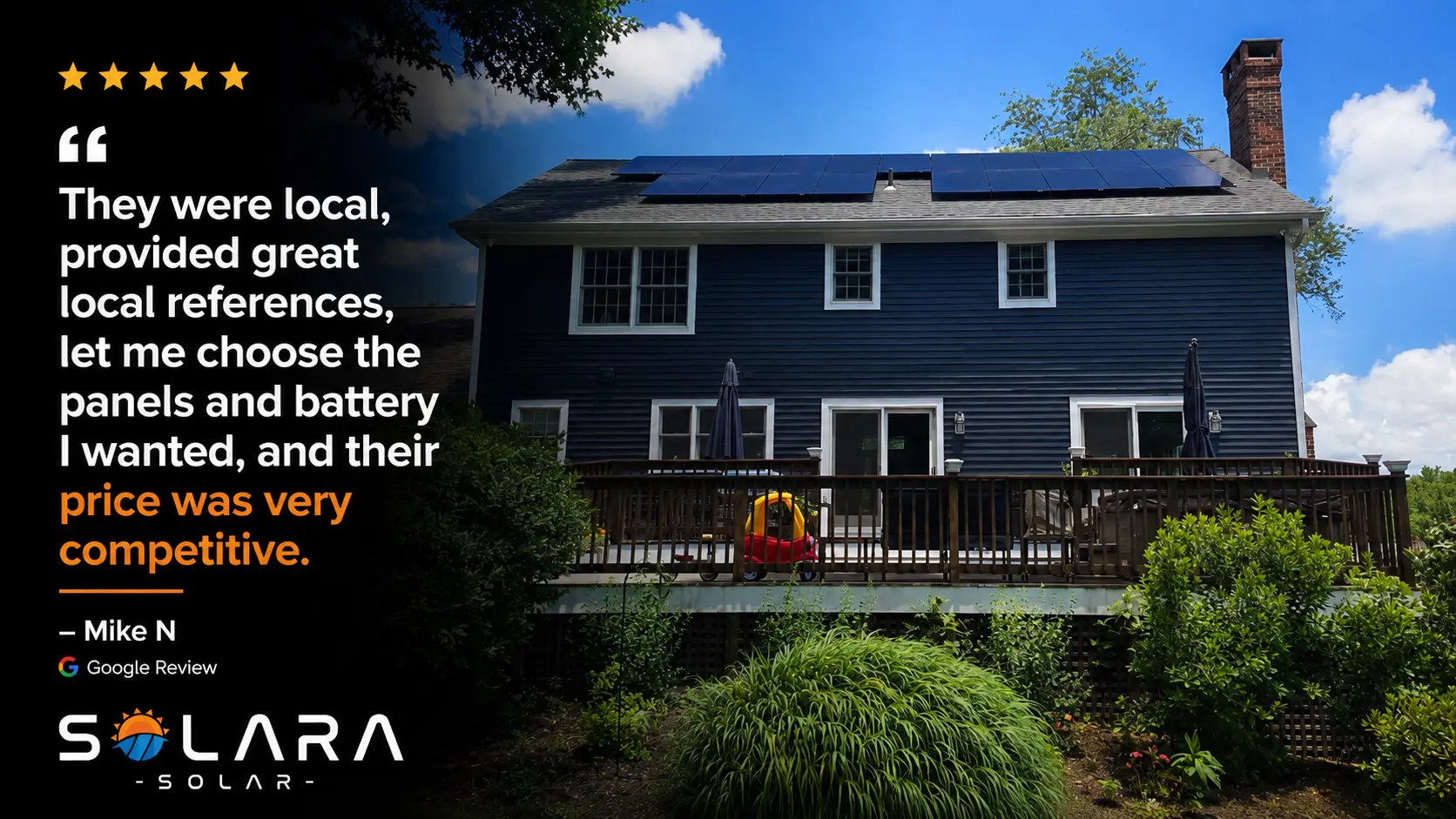
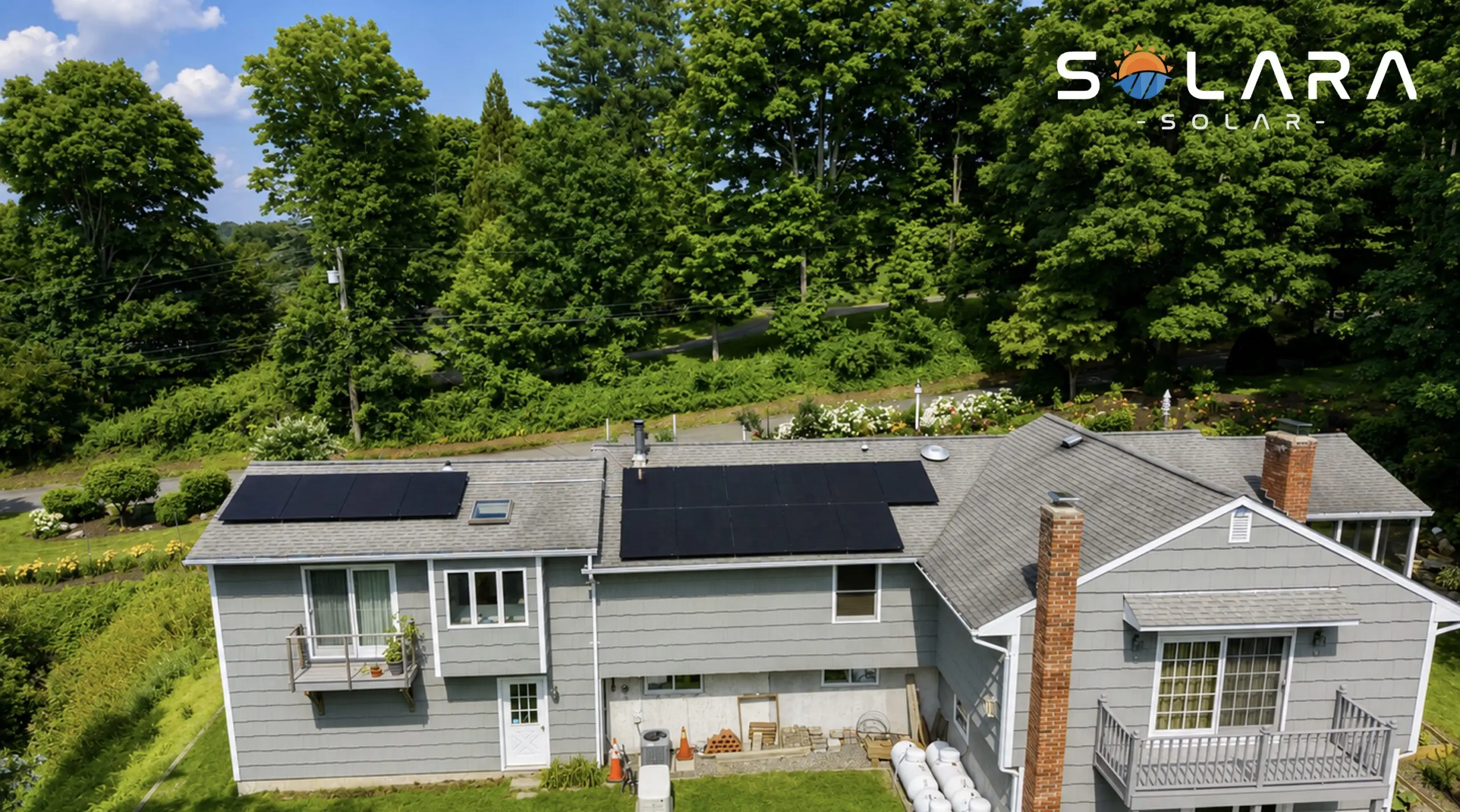 ACTUAL SOLARA SOLAR INSTALL | NEWTOWN, CT
Find Solara Solar in your community.
Solara Solar is based in Newtown and serves homeowners throughout Connecticut, with a strong local presence across Fairfield County and surrounding communities.
Visit our Service Areas hub to explore Fairfield County and individual Connecticut town pages with local installations, homeowner reviews and information specific to each community.
Explore Solara Solar Service Areas →Connecticut solar questions deserve straight answers.
Solar is a long term home improvement. Understanding the design, numbers and process is part of making a good decision.
Is Solara Solar a Connecticut based solar company?
Does Solara Solar work with both Eversource and United Illuminating?
Can Connecticut homeowners own their solar system?
Does solar eliminate my Eversource or UI bill?
What happens if Connecticut utility rates increase?
Are data centers currently responsible for Connecticut electric rate increases?
Does Solara Solar install battery storage?
Do I need an electric bill before contacting Solara Solar?
Wondering if solar could work on your home?
Start with your Connecticut property and actual energy use. See what solar could realistically look like before committing to a meeting.
Get My Solar Savings Report →Not every solar project belongs on a roof.
Every property is different. When a traditional rooftop installation isn't the best fit, Solara looks beyond the standard solution and evaluates the property as a whole. Available land, accessory structures, parking areas, orientation and aesthetics can all become part of the design.
Sometimes the best roof isn't a roof at all.
When roof space, orientation, shading or aesthetics make rooftop solar less than ideal, a custom ground-mounted solar system can create an entirely different opportunity. We evaluate available land, orientation and energy goals to design the system around the property instead of forcing solar onto the home.
Solar Carports & Canopies
Turn a driveway or parking area into productive solar space. Solar carports can generate energy while creating covered parking and preserving valuable roof space.
Solar Canopies • Covered Parking • EV IntegrationBarns & Accessory Structures
Pole barns, detached garages, workshops and other structures can provide excellent solar real estate, especially when the home's primary roof isn't the property's strongest solar resource.
Pole Barns • Garages • Workshops • OutbuildingsCustom Solar Applications
Multiple buildings? A difficult roof? An unusual property layout? We evaluate the possibilities instead of automatically forcing every project into a standard rooftop solar design.
Unique Properties • Custom Layouts • Site-Specific DesignWe design around the property. Not the other way around.
Have land, a pole barn, detached garage, parking area or an idea that doesn't look like a typical solar project? We'll evaluate the property and help determine what actually makes sense.